How to start an art collection on a budget
Start an art collection on a budget by setting a small regular amount, buying directly from living artists at markets and online, mixing affordable prints with small originals, and only buying pieces you genuinely love. A £20 print a month, plus the occasional £25 to £55 original, builds a real collection within a year.
"Collector" sounds like someone with a monocle and a warehouse. It's not. A collector is just someone who buys art on purpose, more than once, because they love it. You can start this weekend with £20.
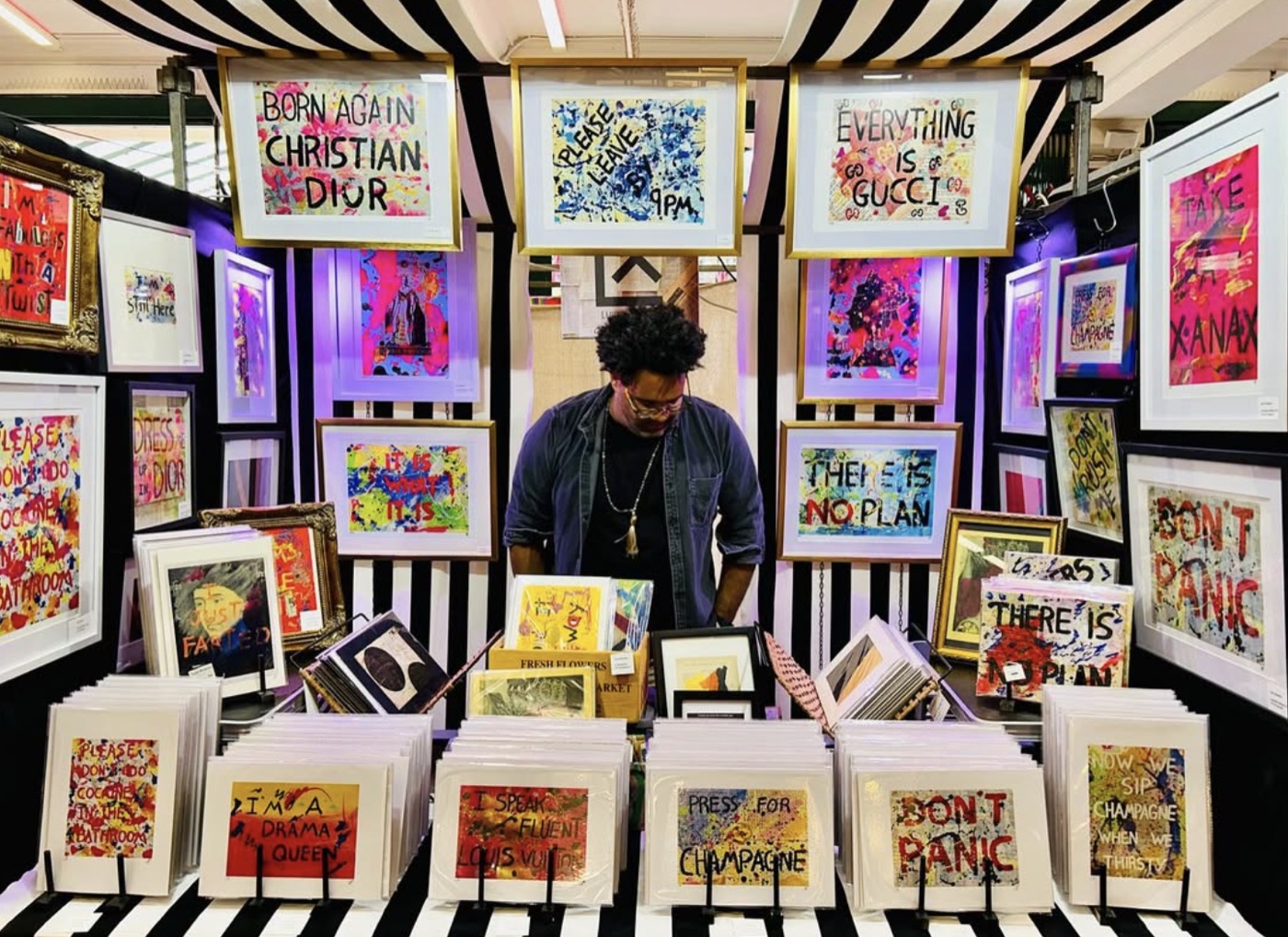
I'm Luis, and I've watched loads of people start collections at my stall in Covent Garden. They usually come back a month later for "just one more". Here's how to do it without eating beans for a year.
Step 1: Set a budget that doesn't hurt
Pick an amount you won't miss. £20 a month. £50 a quarter. A birthday treat every year. The trick is regular, not big. Twelve £20 prints in a year is a wall. One £240 piece in a year is a nice piece, but also a lot of waiting.
Step 2: Buy from living artists
Your money goes further when you buy direct. At a market stall or an artist's website, there's no gallery mark-up, and the artist gets the whole sale. Plus, you can actually talk to them, which makes the piece mean more.
London is full of places to find artists: here are the best art markets in London.
Step 3: Mix prints and originals
A great collection isn't all originals. Most real collections are a mix:
- Prints let you own designs you love for very little. Mine are £20 in A4.
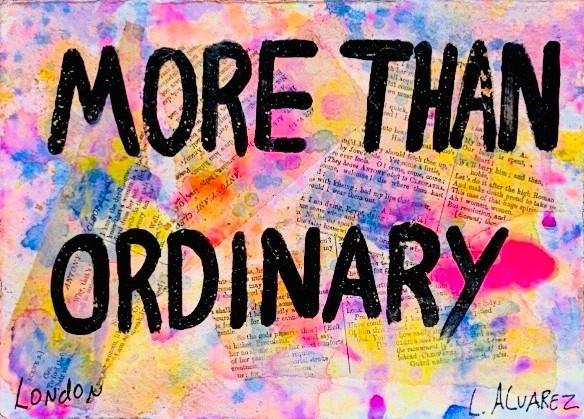
- Small originals give you one-of-a-kind pieces at a sensible price. Mine start at £55.
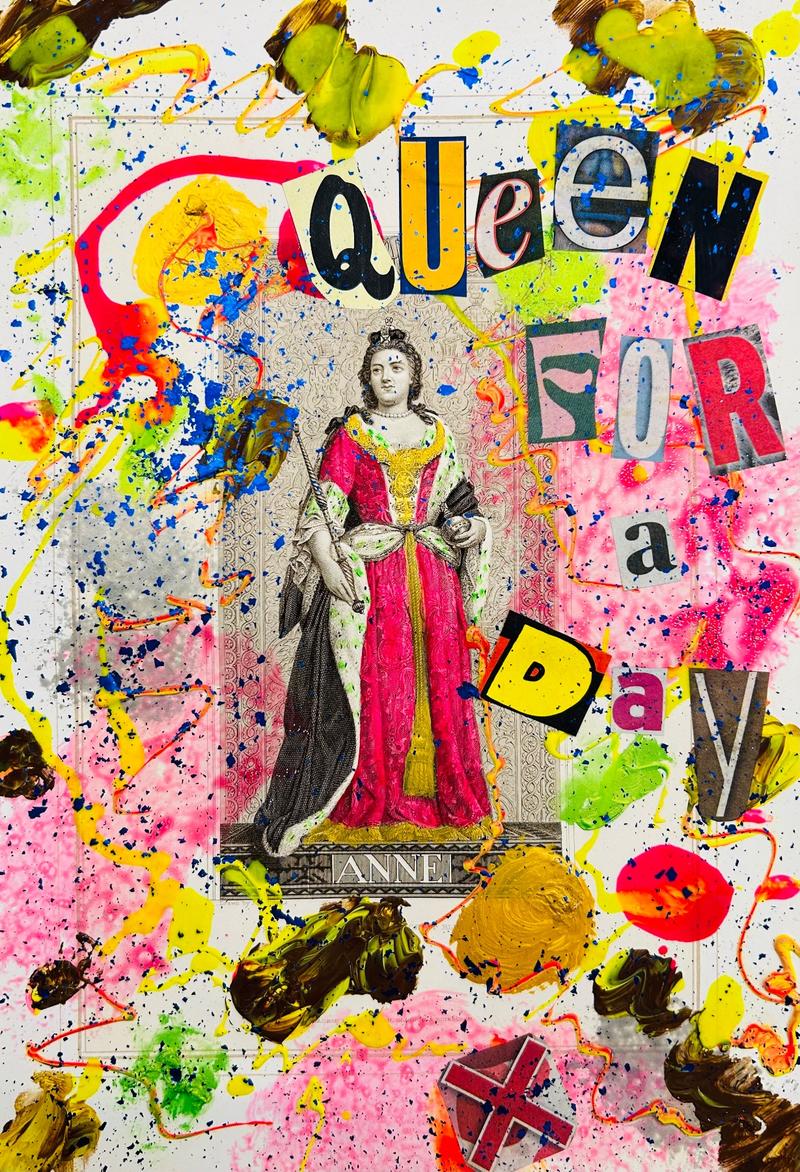
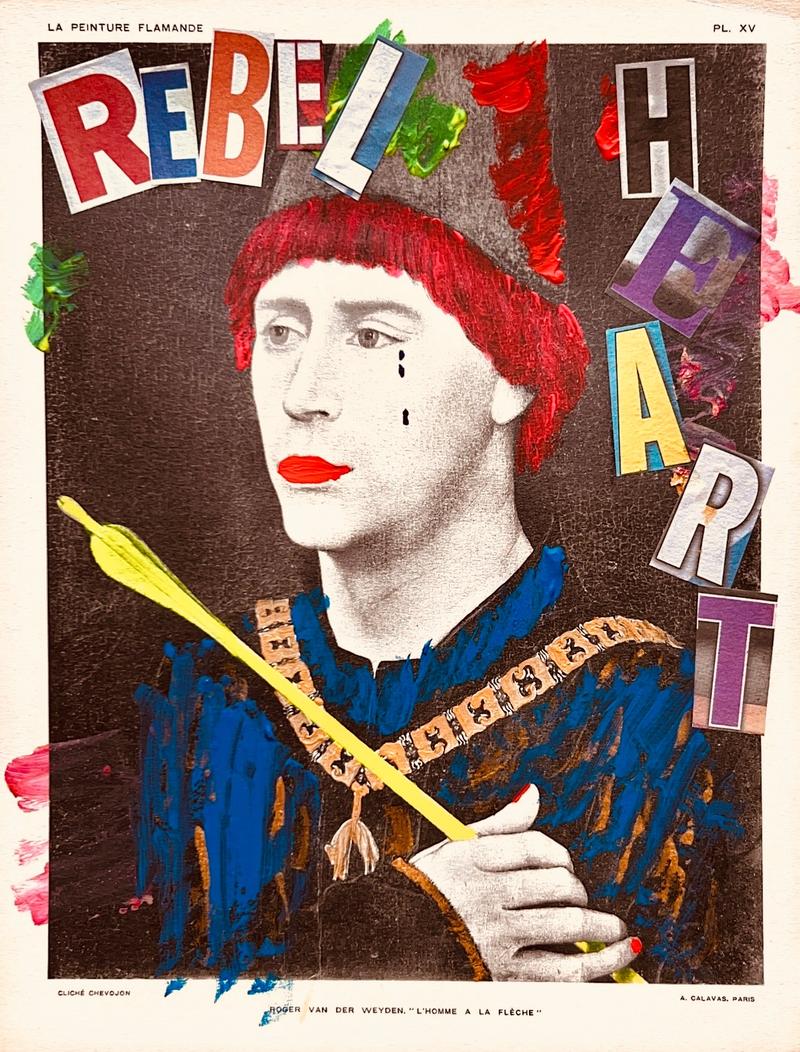
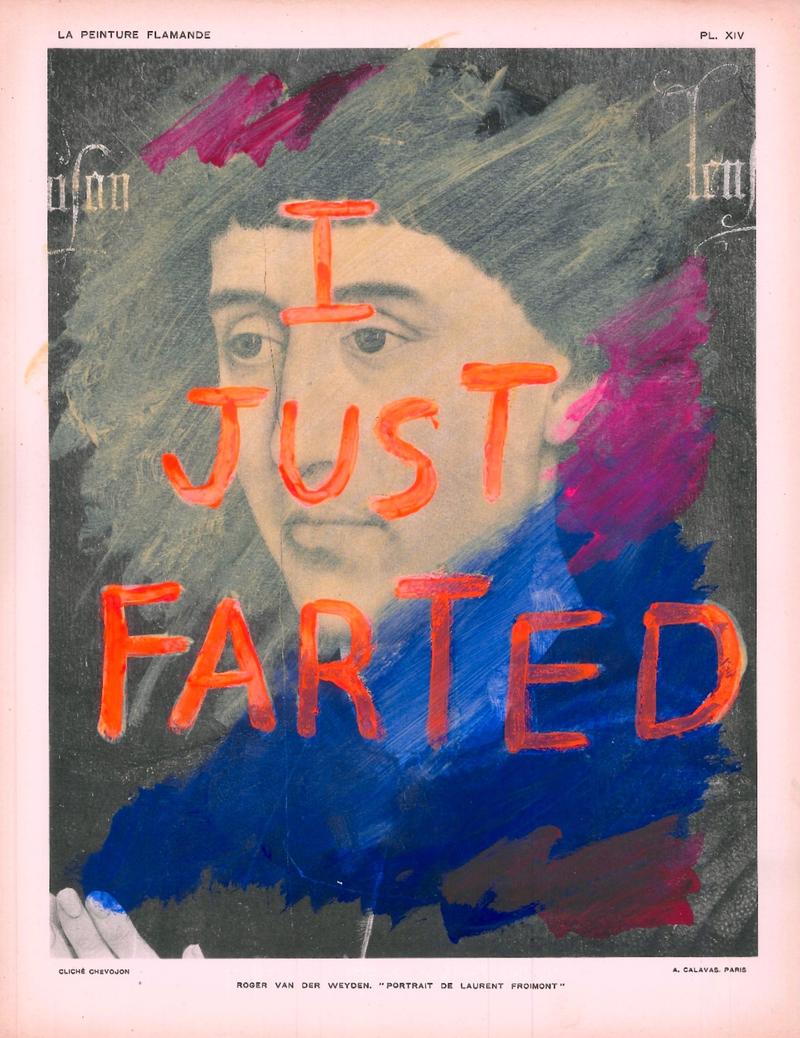
- Antique images are my secret tip for collectors on a budget: real antique art-book portraits painted over by hand, one of a kind, £25 each.
View pieceQueen for a Day (Anne, 1702 to 1714)
 View piece
Rebel Heart
 View piece
More Than Ordinary
 View piece
I Just Farted
Not sure what's what? Read art print vs original.
Step 4: Find your thread
The best collections have something linking them. It might be a colour, a theme, a city, a sense of humour. Mine would be words: I love art that says something. Yours could be portraits, or bright colours, or pieces that make you laugh. You don't have to decide on day one. Buy three things you love and look at what they have in common.
 View piece
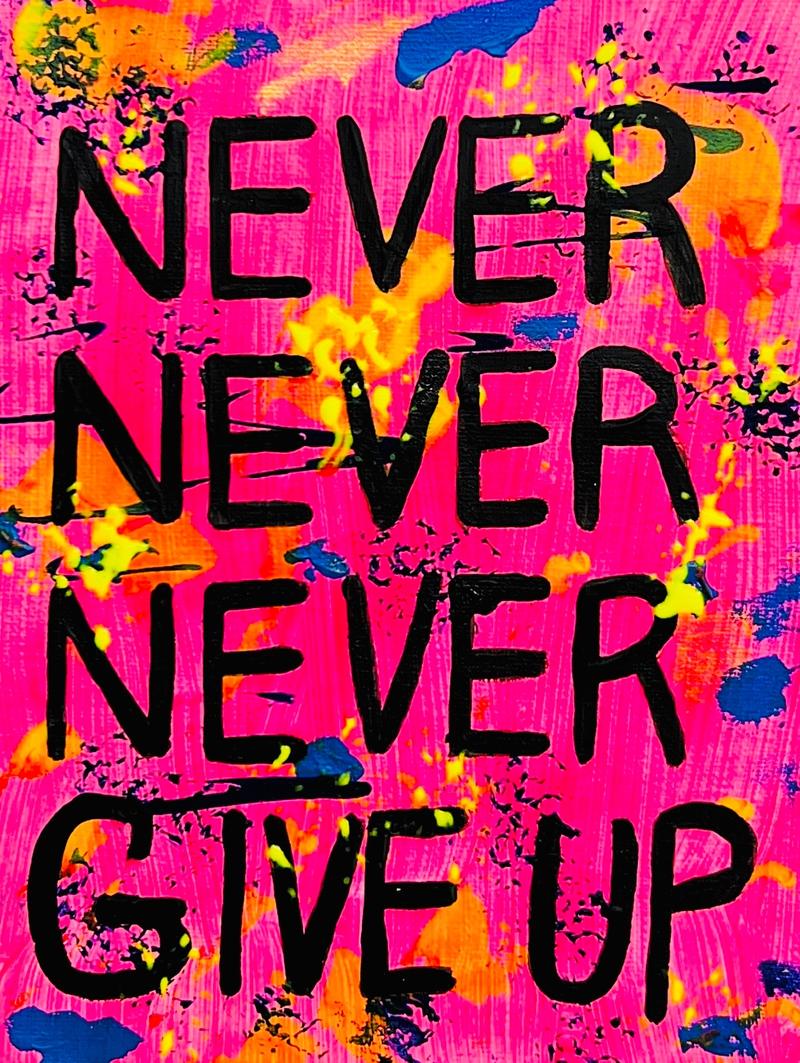
Never Never Never Give Up (Pink)
 View piece
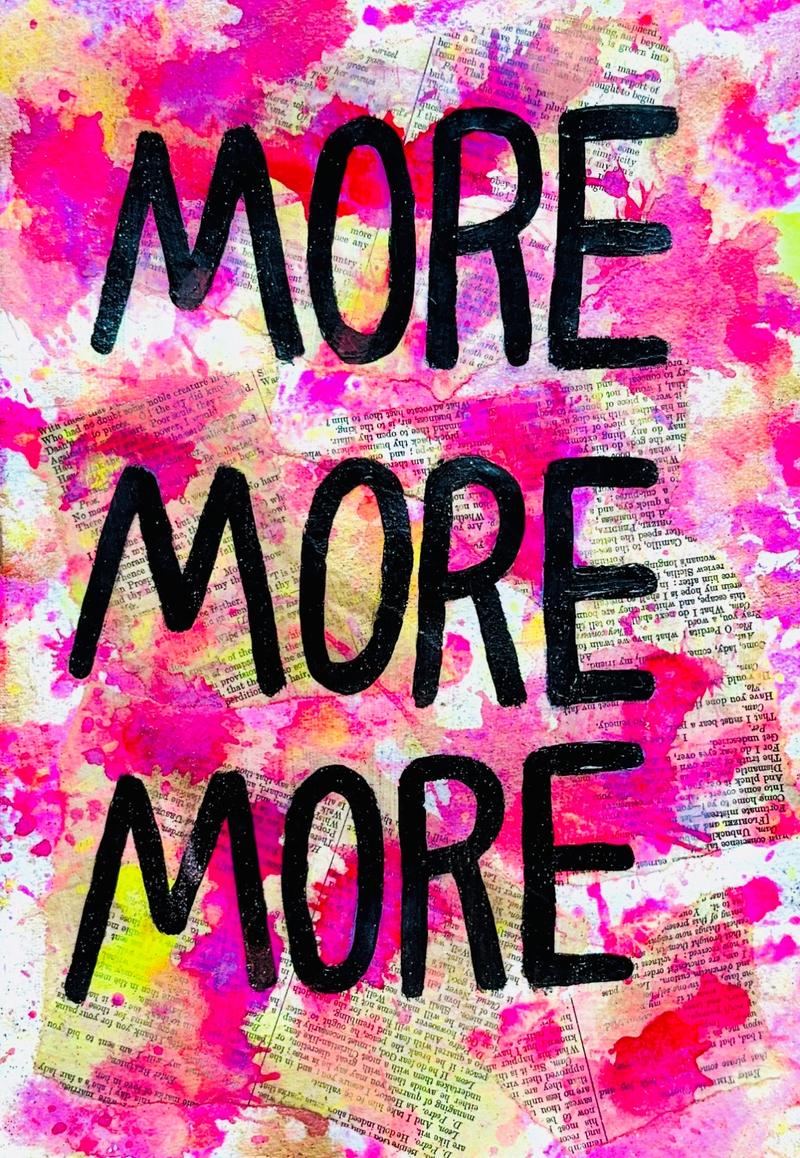
More More More
 View piece
Women Are Not Afraid
 View piece
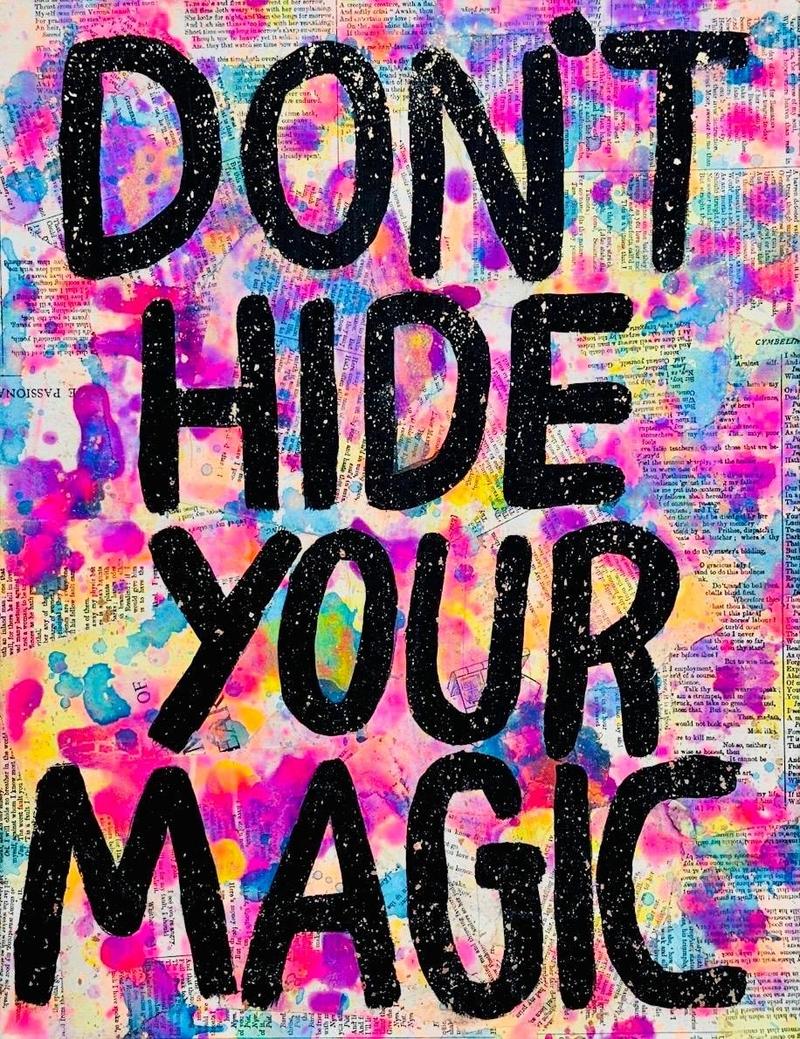
Don't Hide Your Magic
Where the bargains really are
The best-value art is rarely in shops. It's at markets, at graduate shows, in artists' online shops and in the "seconds" or smaller pieces artists sell to keep things moving. Ask artists if they have smaller works or older pieces. Most of us do, and we're happy to talk.
Step 5: Buy what you love, not what might be valuable
Please don't buy art as an investment unless that's your job. Buy art because it makes your day better. If it goes up in value one day, wonderful. If not, you've still had years of joy, which is the real return.
Step 6: Look after it
- Frame works on paper behind glazing, with acid-free mounts. My guide on how to frame art prints explains how.
- Keep it out of direct sunlight. Sun fades paper and paint.
- Avoid damp walls and steamy rooms for originals.
- Keep the paperwork. Receipts, notes from the artist, the story. That's provenance, and it's lovely to have.
Step 7: Rotate and display
You don't need to hang everything at once. Collectors swap pieces around with the seasons. A picture ledge lets you change your display without new holes. Renting? See how to hang art without damaging walls.
Collecting tips I give everyone
- Follow artists you like on Instagram. New work often sells to followers first.
- Join mailing lists. I run a Private View list with first looks at new pieces and 10% off your first order.
- Go to degree shows in the summer for work by new artists.
- Commission one piece once you know what you love. A commission is the most personal thing in any collection.
- Talk to the artist. Ask why they made it. Write it down. Future you will be glad.
What a first-year budget collection could look like
| Month | Piece | Cost |
|---|---|---|
| 1 | A4 print you love | £20 |
| 2 | A second print, different theme | £20 |
| 3 | An antique image | £25 |
| 6 | A small original | £55 |
| 9 | An A3 print for a big wall | £79 |
| 12 | A print for someone else, because sharing is the point | £20 |
That's under £250 across a year, and six or seven real pieces on your walls.
Art collecting questions
You can start with one print at around £20. A regular small budget, like £20 a month, builds a collection within a year.
Direct from living artists at markets and on their websites. You get better prices and the story behind the work.
Both. Prints let you own designs you love cheaply, and small originals give you one-of-a-kind pieces. Mixing them is how most collections grow.
Hand-painted antique images at £25 each, and small originals from £55.
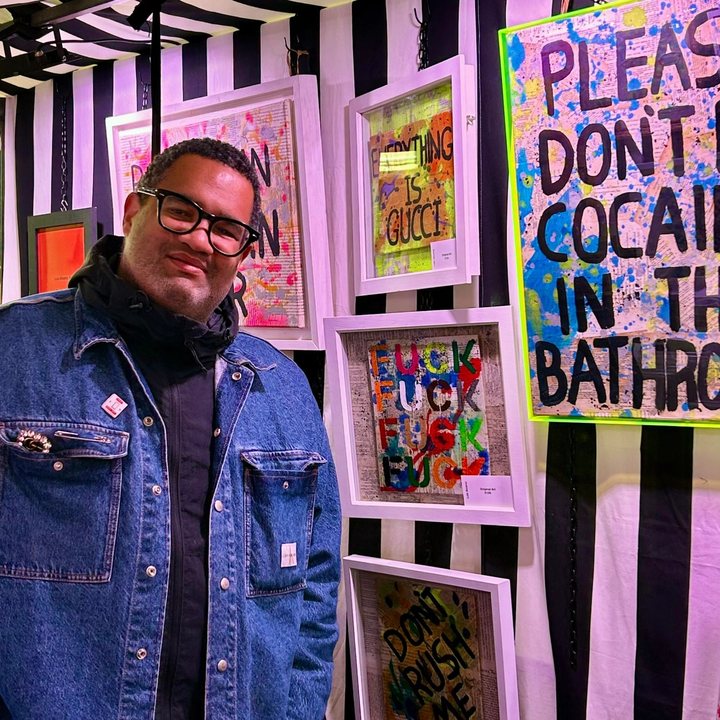
Pop artist at Jubilee Market Hall, Covent Garden, since 2021. Hand-paints bold, funny slogans on antique book pages. More about Luis.
More from the blog.
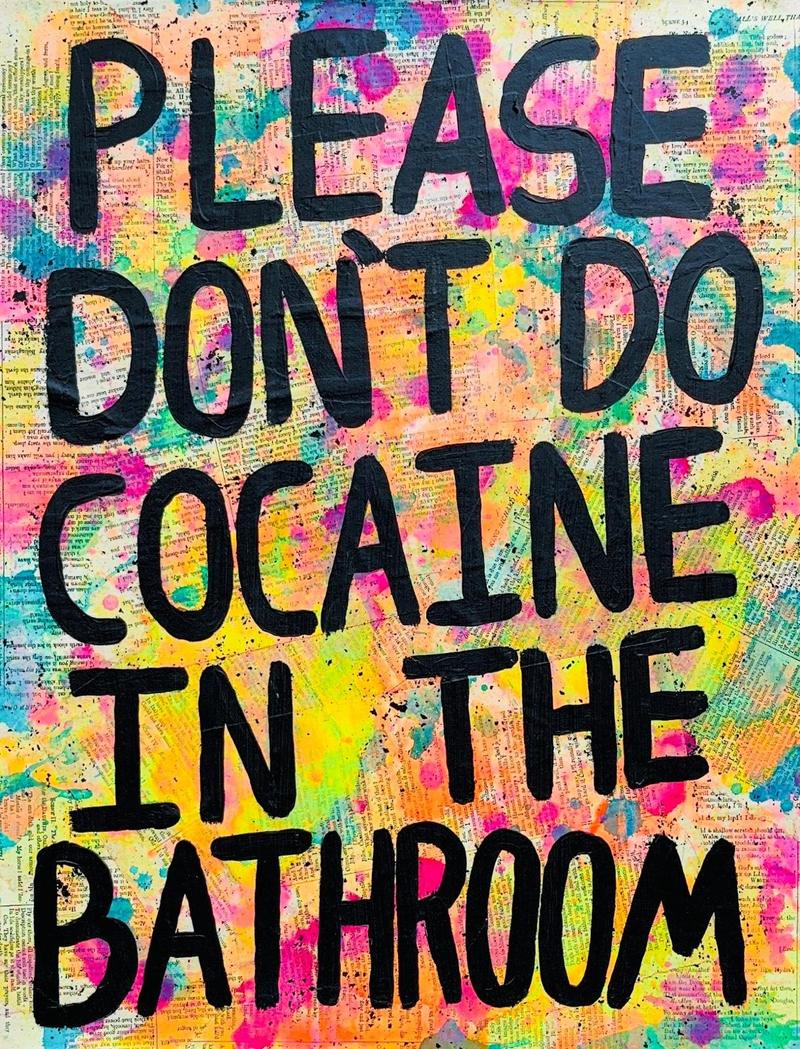
Pop art prints in the UK: how to buy one you won't get bored of
Looking for pop art prints in the UK? London artist Luis Alvarez on what makes a good one, what to pay, and the slogan prints people buy most. From £20.
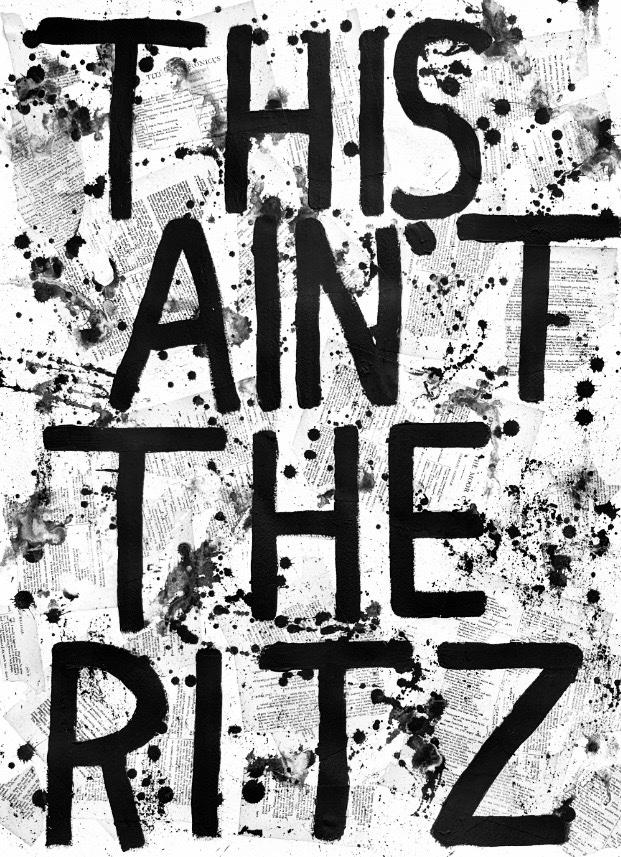
Affordable art prints in London (that don't look affordable)
Affordable art prints in London that don't look cheap. Covent Garden artist Luis Alvarez on where to buy, what to pay and how to make a £20 print look expensive.
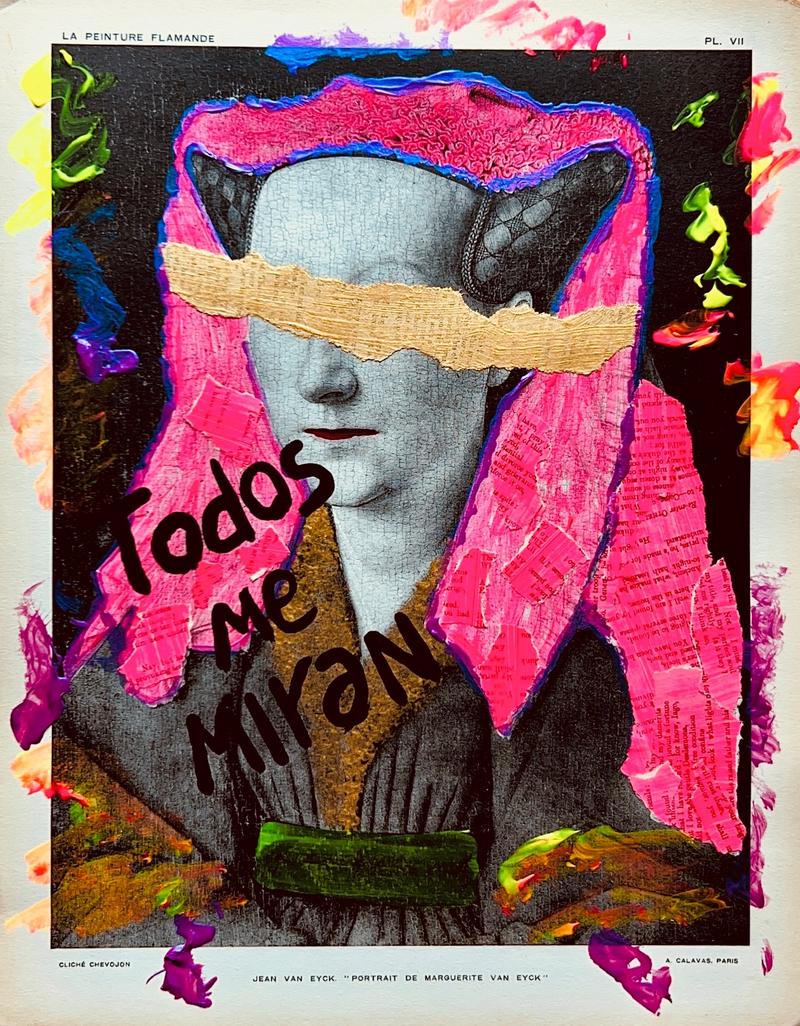
Unique wall art in the UK: how to stop your home looking like everyone else's
Bored of the same wall art in every flat? Covent Garden artist Luis Alvarez on how to find unique wall art in the UK, from hand-painted originals to cheeky prints.